
What You’ll Learn
- How MainWP encrypts API keys and credentials
- What the encryption process involves
- What data is and isn’t covered by this encryption
Scope of Encryption
MainWP encrypts sensitive data stored in the Dashboard:This encryption applies to data stored in the MainWP Dashboard. It does not cover data created by third-party plugins on child sites. For example, MainWP encrypts the API key used by a backup add-on, but does not encrypt the backup files created on child sites.
Encryption Components
The encryption process uses these security measures:What is AES GCM
AES GCM (Galois Counter Mode) is a stream cipher mode for AES encryption. Key characteristics:- Low latency: Fast encryption and decryption
- No padding required: Stream cipher design
- Authenticated encryption (AEAD): Verifies data hasn’t been tampered with
- Authentication tag: Each encryption produces a MAC (Message Authentication Code)
Encryption Workflow
The encryption process follows these steps: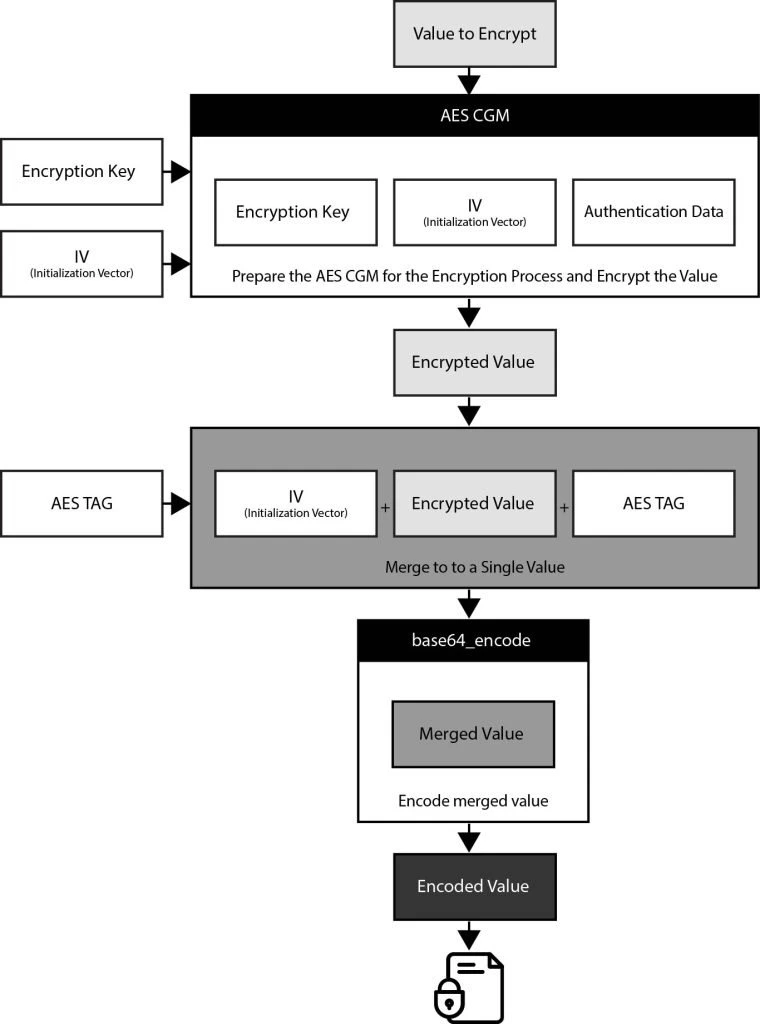
Security Benefits
This design provides multiple layers of protection:- Separation: Encryption key stored separately from encrypted data
- Integrity: Authentication tag detects tampering
- Uniqueness: Random IV ensures identical values produce different ciphertexts
- Industry standard: AES-256 GCM is widely trusted for secure data storage
Related Resources
- OpenSSL Key Encryption - Private key encryption for site connections
- MainWP Security - Overall security architecture
- Connection Security - Dashboard-to-Child communication